
Review
Revisiting A DANGEROUS METHOD: In a Corset of Repression
We may resent Cronenberg that Jung of does not undergo a metamorphosis into a cockroach, but that would not be entirely fair.


Cronenberg, much like the film’s Carl Gustav Jung, laced his drives into a corset of repression, giving them very few safety valves. The result is A Dangerous Method – a classicizing period drama that keeps the viewer’s emotions on a tight rein, yet remains unmistakably Cronenbergian.
The story of Jung, Freud, and Sabina Spielrein is ideal material for David Cronenberg. Culture as a source of suffering, repressed drives, complex interpersonal relationships, the body–mind dualism—it is easy to imagine what the Canadian director could build from such thematic blocks. Bearing in mind his previous work, more subdued since Spider yet still containing a characteristic dose of intensified corporeality, expecting from A Dangerous Method biological transformations straight out of The Fly and Videodrome or sexual perversions from Crash leads to inevitable disappointment.

All the elements of the director’s style are present: a focus on detail, formal restraint, economy of storytelling, careful composition; visible as well are the themes around which the Canadian’s filmography has always revolved—now taken directly from the sources of psychoanalysis and its founding fathers. The difference is that Cronenberg builds tension gradually, offering no obvious release. There is no scene here like the physical explosion of violence in the bathhouse in Eastern Promises.
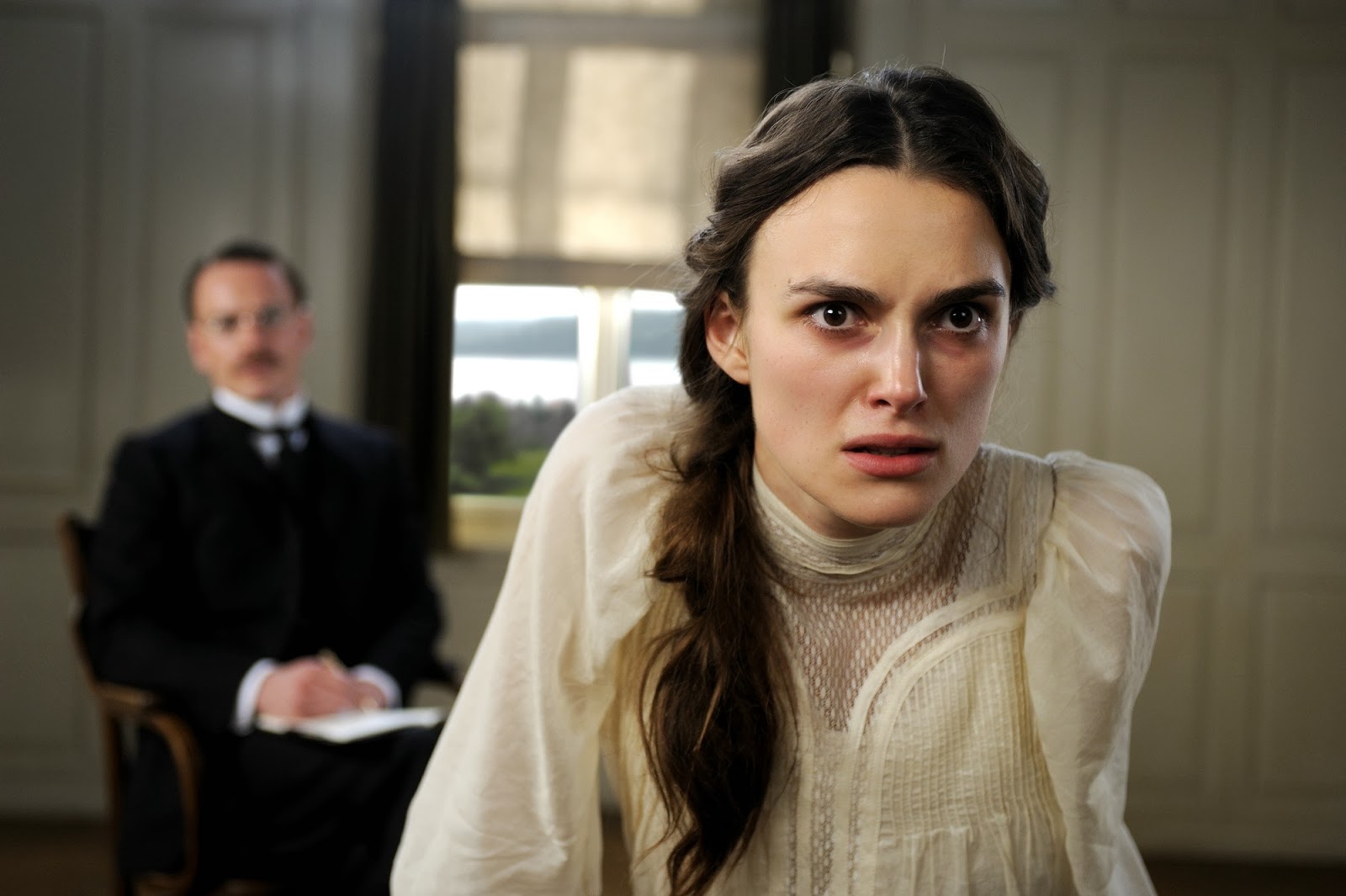
The greatest share of transgression is concentrated in the character of Sabina Spielrein, the most ambitious role in Keira Knightley’s career to date. The actress bends over backwards in peculiar tics, splashes about in a puddle, becomes aroused at the sight of a stick striking a coat. Especially in the first half of the film, she is the axis of madness, set against the stoic Michael Fassbender (Jung) and the blasé Viggo Mortensen (Freud).
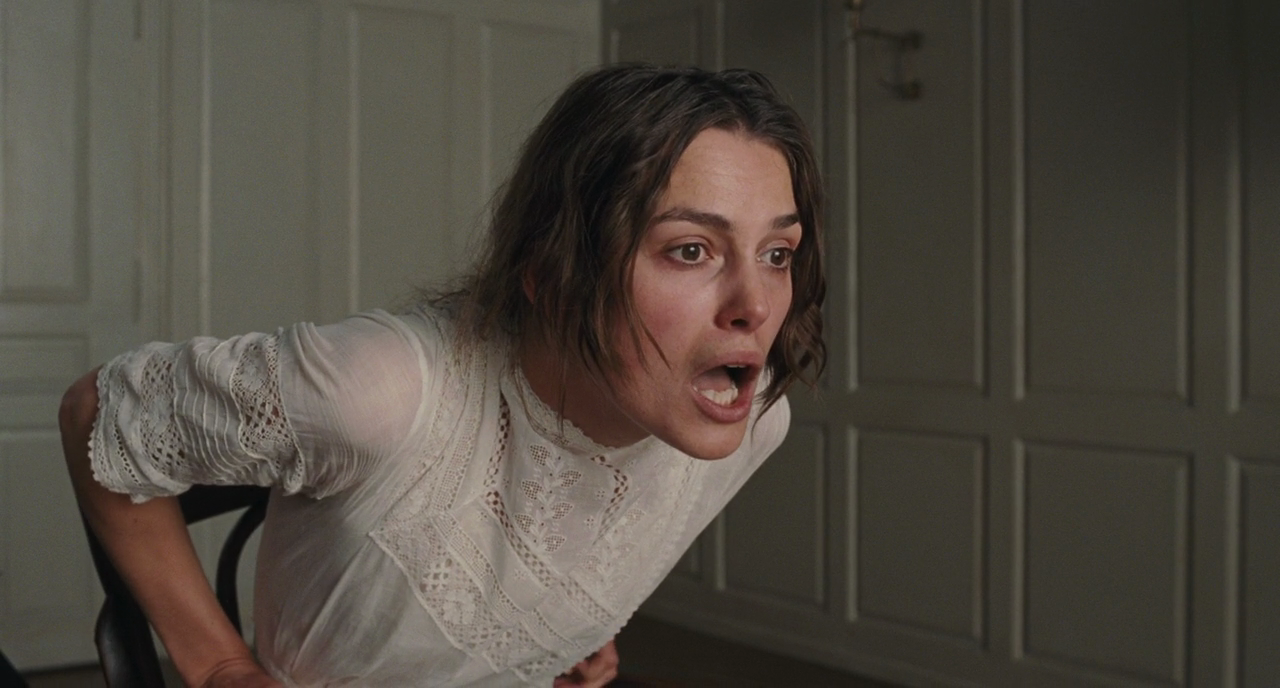
With all due respect to the physical commitment to the role, the portrayal of Spielrein is probably the most problematic element of A Dangerous Method. Keira Knightley’s performance at times draws too much attention to itself and is exaggerated, though in the context of the whole this is not a major flaw, significantly softened by excellent craftsmanship.
The illness of the neurosis-ridden Russian woman is the main catalyst of events. Through her we see the method of talking therapy in action and Jung’s work in his natural environment. Spielrein’s particular case also leads to Jung’s meeting with Freud, an initial exchange of views, a fruitful friendship, and finally a rift and the end of their relationship. Jung’s complicated relationship with his patient—one that goes beyond medical ethics—reveals cracks in his armor as a perfect psychiatrist and exemplary family man.
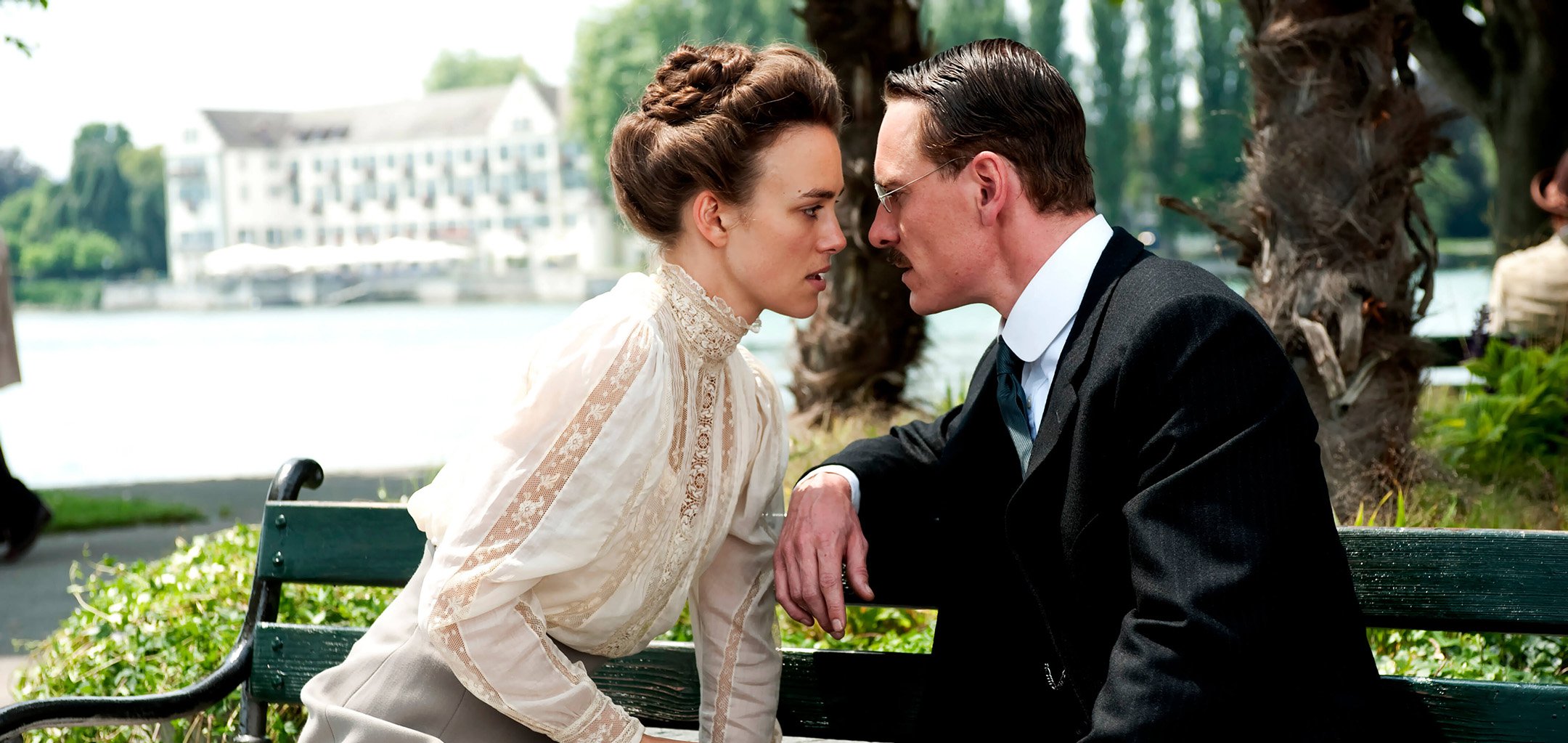
While Sabina ultimately channels her afflictions and becomes an inspiring continuator of psychoanalytic thought, Jung appears as a lost individual, forced by external factors to question his own convictions—whether in the form of the proponent of polygamy and hedonist Otto Gross (Vincent Cassel), or through his conflict with Freud over how far the psychoanalytic method should extend.
Jung’s individuation is the central narrative line, masterfully played by Fassbender at every stage, yet the most valuable player in A Dangerous Method is Viggo Mortensen. His Freud, with the iconic cigar constantly lodged in the corner of his mouth, at times resembles a caricature taken from the collective imagination, but Mortensen’s genius lies in the fact that it never becomes one, while remaining the focal point of the film’s offbeat humor. Watching how Mortensen commands his character in every detail is pure pleasure.
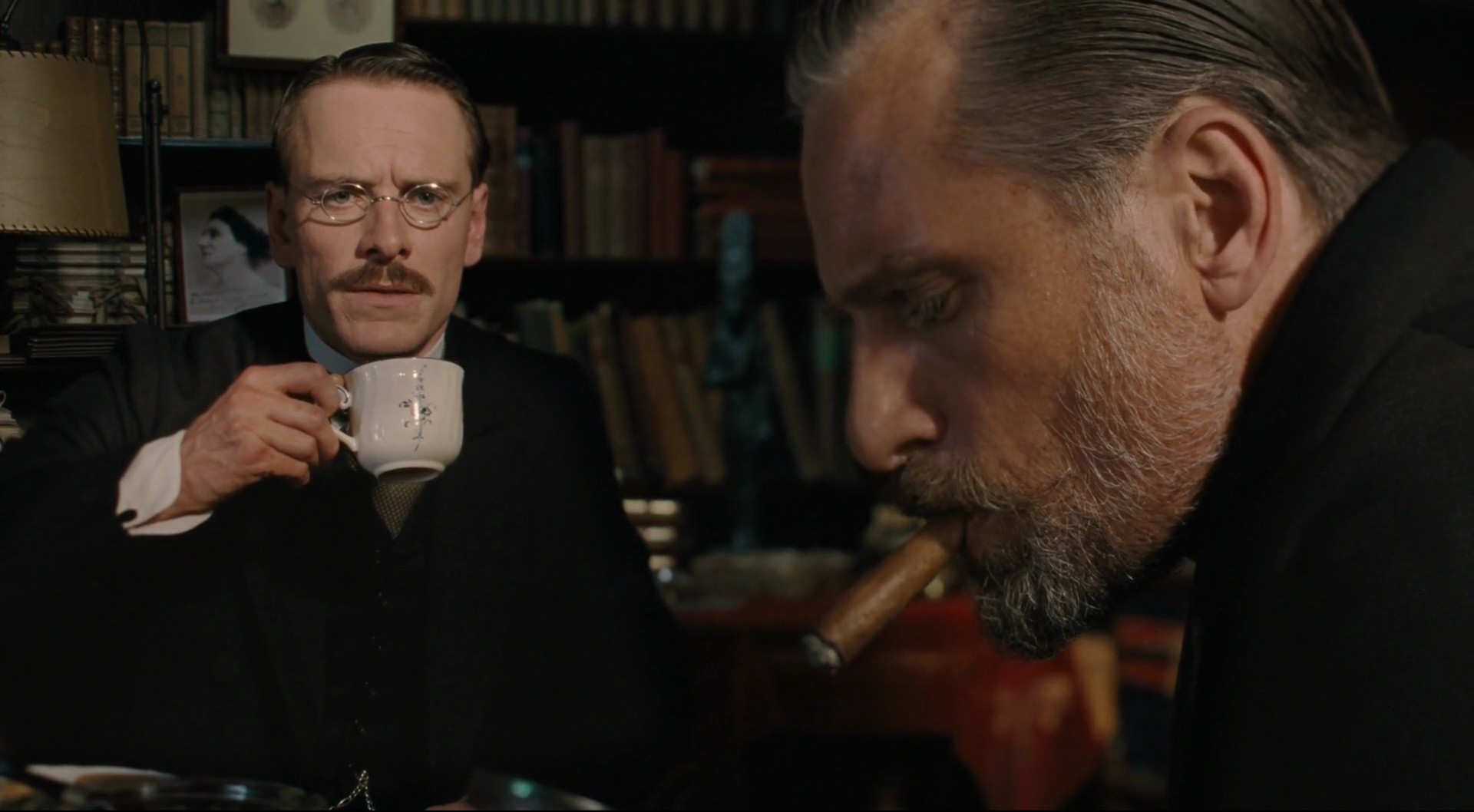
His delivery makes one await almost every subsequent line like an unexpected plot twist—the scenes in which Freud discusses Jung’s dreams are a particular showcase of acting skill. When Mortensen finally utters the word penis, it is like an unexpected punchline to a joke carefully built over half the film—this is what a great actor can do with a single word.
The excellence of Cronenberg’s work is evidenced by the collaboration of an entire team of talented actors, yet Mortensen has the most assists. A Dangerous Method is perhaps David Cronenberg’s most restrained film. However, even though audiences crave blood and sex, it is hard not to admire the director’s discipline, surely aware of the expectations surrounding such a project.
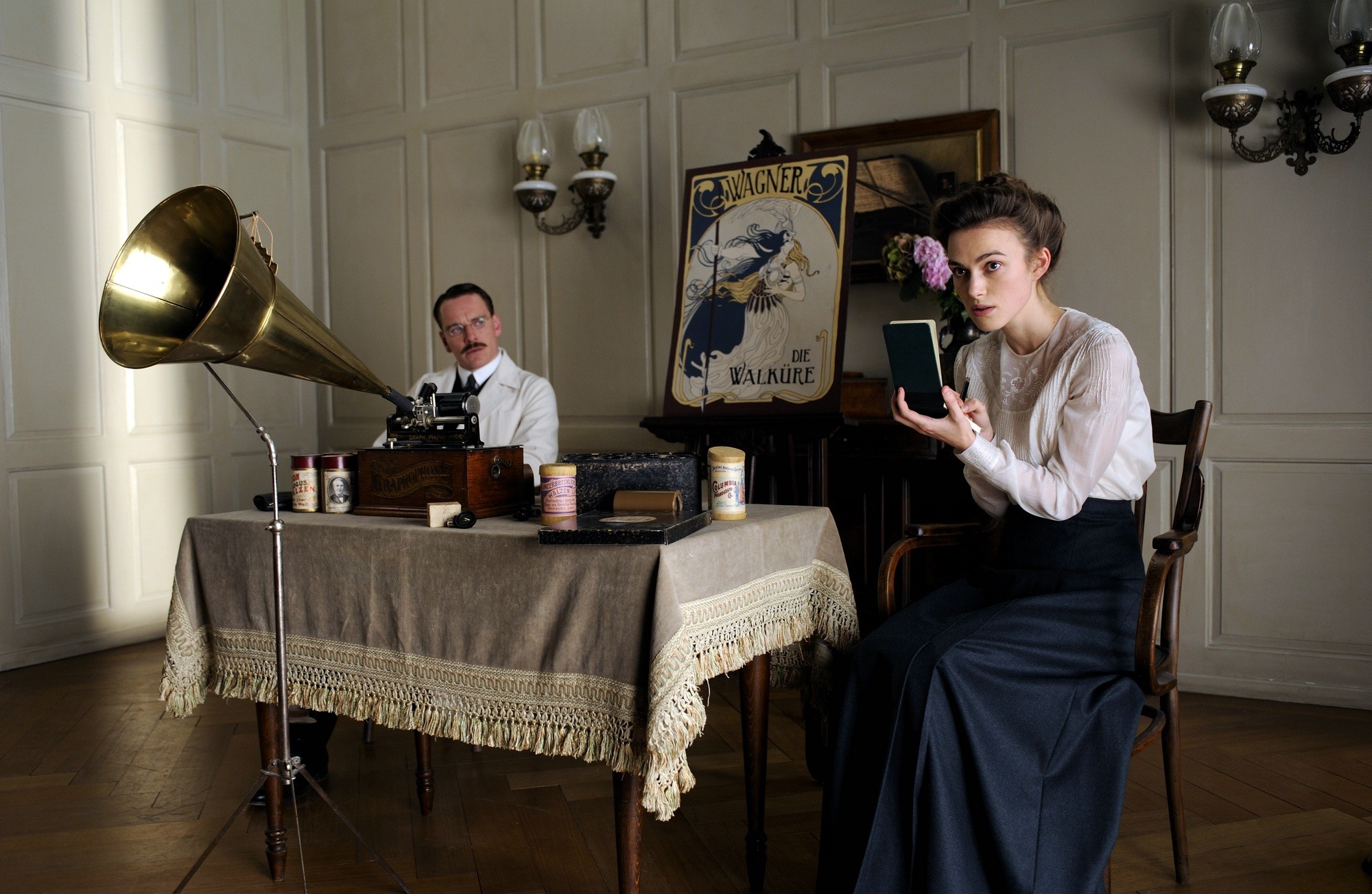
Stylistic gestures of omission reflect the inner struggles of the film’s Jung, trying to preserve dubious cultural models while being torn apart from within by the death instinct and drives. Continuing the path of A History of Violence and Eastern Promises – Cronenberg still tackles similar themes, but what is internal does not necessarily find its reflection on the surface.
We are presented with complex characters, difficult to read, and the only set of tools available is the interpretation of faces, gestures, and words. We may resent Cronenberg that Jung does not undergo a metamorphosis into a cockroach, but that would not be entirely fair.


LUCIA’S GRACE. Resembles a Kind Of Missionary Endeavor

DOKUMENT. Short Film That Feels Monumental

BEAUTIFUL BOY. The Acting is Remarkable [REVIEW]

Looking Back at SPIDER: More Terrifying Than Horror
