
Review
LITTLE JOE. Evokes a Creeping Fear and Genuine Unease
Although in Little Joe the puzzle is not all that difficult for the viewer to solve, Hausner’s film remains unusual cinema and a refreshing genre offering.

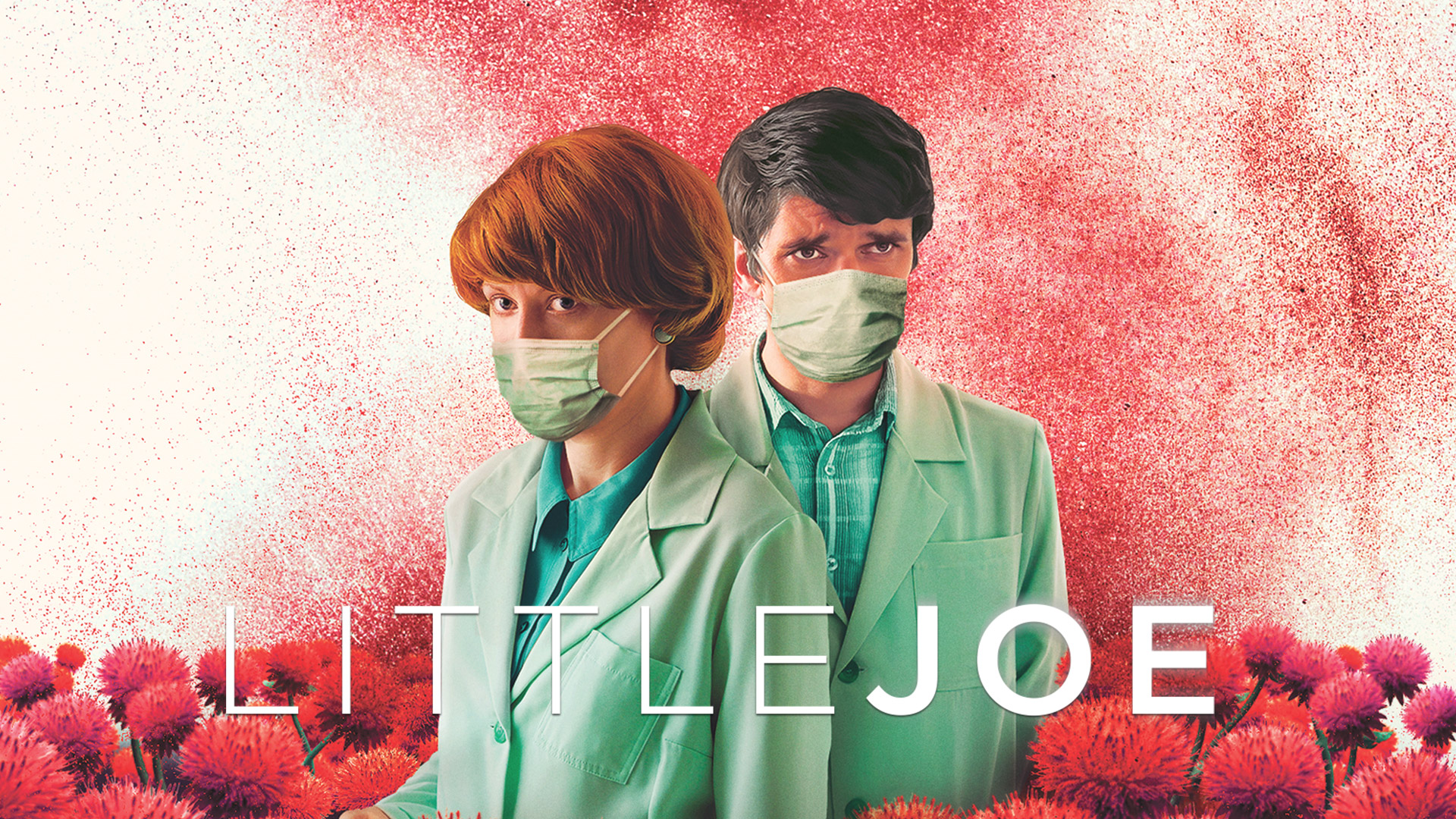
There is perhaps no setting more hospitable to horror than the chill of a scientific laboratory. Cold, white walls, sometimes cut through by vast panes of glass; heavy doors that open only with passwords; miles of identical corridors; countless floors and staircases. A labyrinthine space that intensifies the feeling of isolation and solitude. Scientists dressed in lab coats and face masks look like doubles of one another, members of a hermetic, uniform group. Sterile, tightly sealed rooms hide secrets within them and thus exert a powerful pull on the imagination—like everything that is forbidden, like everything marked with a “no entry” sign. Little Joe has something of a B-movie horror at its foundations.
In a laboratory, scientists are working on genetically modified flowers whose specific properties are meant to make anyone who comes into contact with them happy. The situation will, of course, spiral out of control, and the innocent little flower will cease to be mere decoration, transforming into a dangerous predator. The titular flower bears the same name as the teenage son of the project’s originator and the film’s main character, Alice (Emily Beecham). Little Joe develops slowly. Blood-red petals open under artificial lighting, floral pollen is released regularly—everything suggests the project is heading in the right direction. Naturally, only for a while. In the case of Little Joe, however, what matters is not the “what,” but the “how,” and Hausner has quite a lot to offer here.
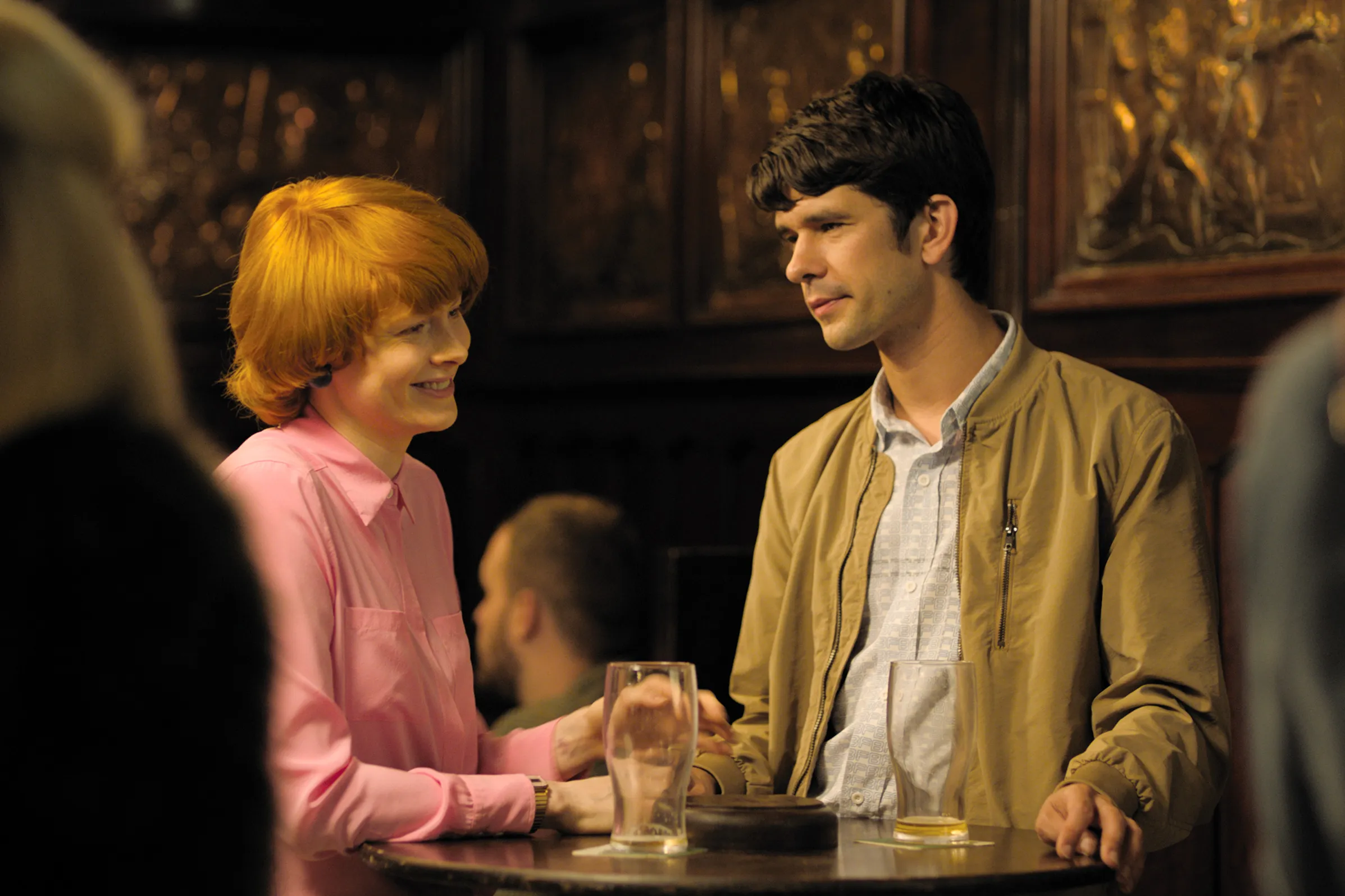
After contact with the flower, it is people who begin to change. They seem more open and direct, yet at the same time they acquire suspiciously mechanical behaviors (as if guided by some alien force), and their social sensitivity is suppressed. For the sake of continuing the “Little Joe” project, they will be willing to sacrifice everything. Enchanted by the flowers, the infected scientists fail to notice changes in their own attitudes and the fact that different priorities are now driving them. The foremost of these is, of course, the safety of the cultivated flowers, the continuity of the research project, and bringing the plants to market.
No matter the cost. Human life begins to matter less than a toxic plant. Unfortunately for the scientists, any threat seems abstract. Plants locked away in a laboratory (after all, not xenomorphs), cut off from the outside world and constantly monitored, surely cannot pose any danger.
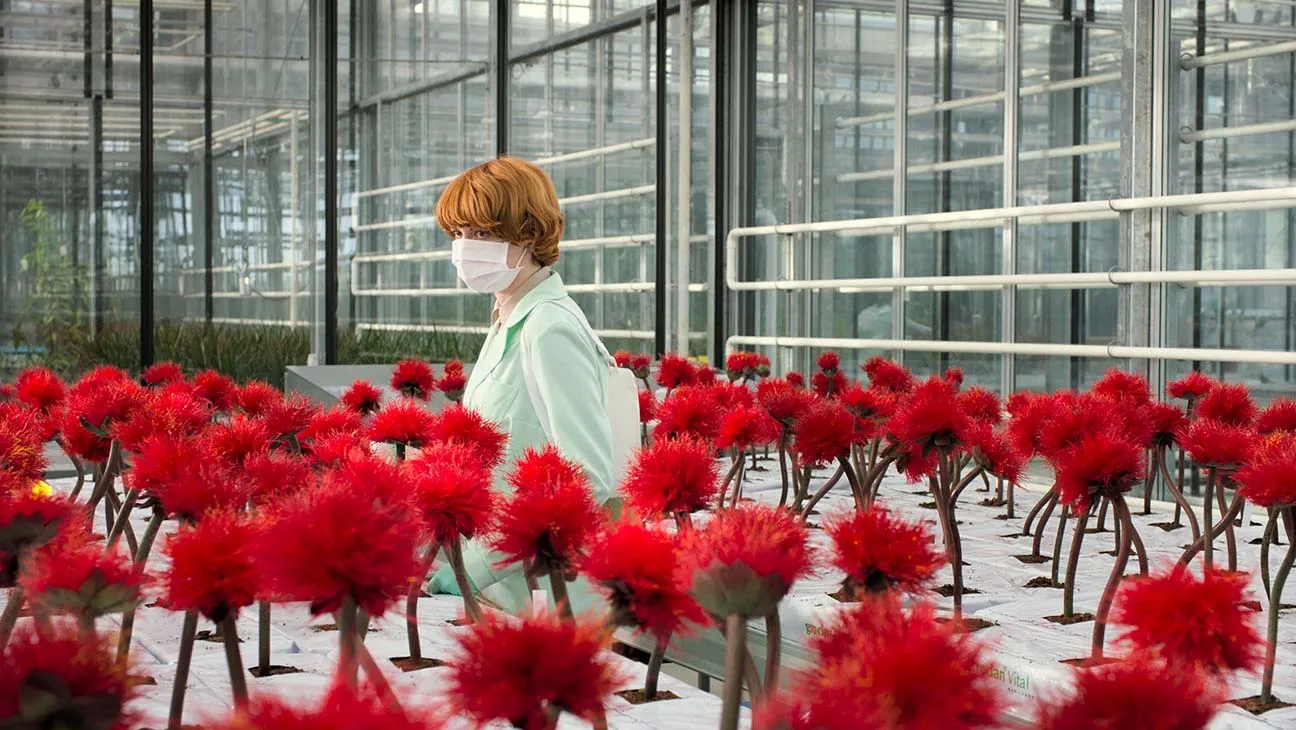
Do not expect zombies in the lab, alien nests, or dark alleyways. Director Jessica Hausner builds her sense of dread using restrained means of expression. In atmosphere and method of unsettling the viewer, Little Joe most closely resembles the films of Yorgos Lanthimos, particularly The Killing of a Sacred Deer. Hausner relies on subtle visual stimuli, surprising composition, and unusual framing perspectives—they are meant to astonish the viewer and induce discomfort. Set in sterile, brightly lit interiors, Little Joe evokes a creeping fear and genuine unease—from the first to the last second. The adopted convention is only occasionally broken by music that is at times suggestive, at times soothing, complementing the image with additional dramatic tones.
For Jessica Hausner, Lanthimos’s work was the primary point of reference: the visual layer leaves no doubt in this respect. A second patron is undoubtedly Roman Polanski and his play with ambiguity. Like Rosemary’s Baby, the Austrian director balances on the boundary between facts and the subjective perspective of the protagonist. This juxtaposition, as in Polanski’s satanic horror, allows for multiple interpretive paths. Alice, too, struggles to recognize and assess the order of the world: what belongs to fact and what to fiction? She does not know whether to judge the situation using scientific tools or maternal instinct; whether her son is simply growing up or has fallen victim to an attractively presented little plant.
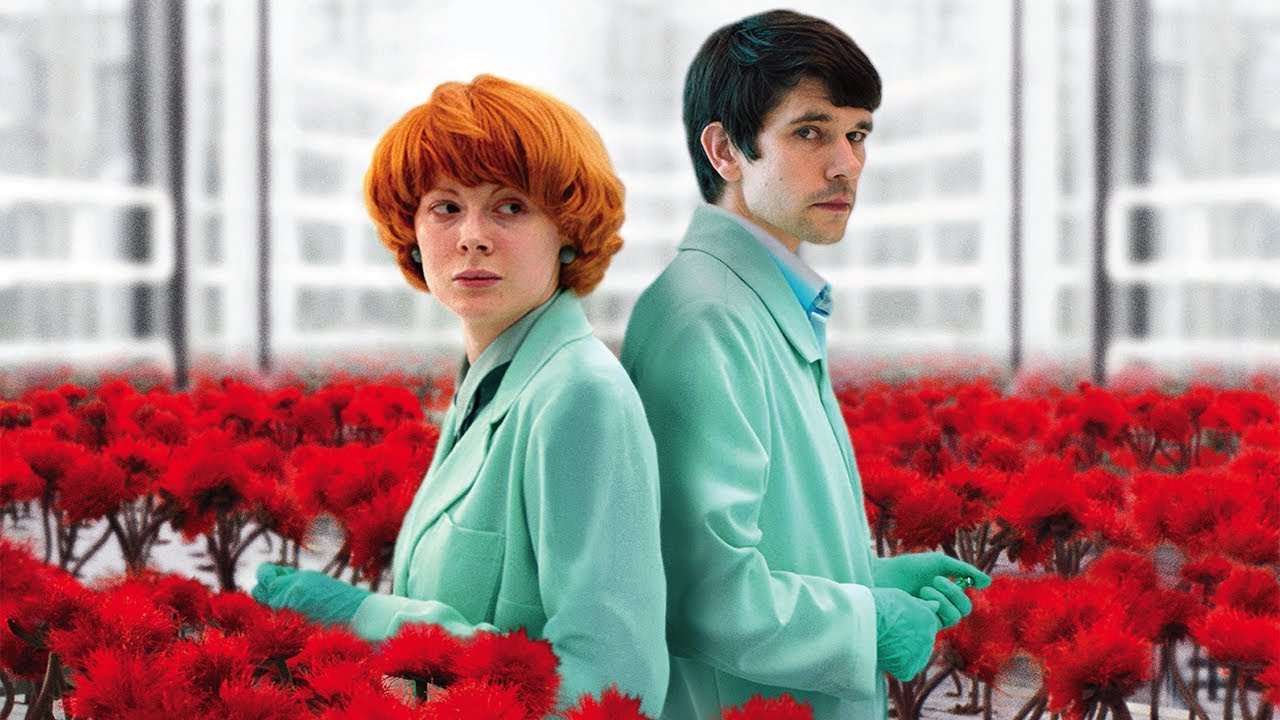
Although in Little Joe the puzzle is not all that difficult for the viewer to solve, Hausner’s film remains unusual cinema and a refreshing genre offering. It is an auteur horror, with an original idea for a new kind of threat. On the one hand, a pair of scissors is enough to defeat it; on the other, humans seem entirely subordinate to it. A sensible attitude, then, would be to reduce your trust in every new flower placed on the table in your home. One can never be too careful.


LUCIA’S GRACE. Resembles a Kind Of Missionary Endeavor

DOKUMENT. Short Film That Feels Monumental

BEAUTIFUL BOY. The Acting is Remarkable [REVIEW]

Looking Back at SPIDER: More Terrifying Than Horror
