
News
RISE. Sci-fi Dealing With Contemporary Problem of Exclusion
Rise premiered in March 2016. This short film, running about five minutes, was directed by David Karlak.

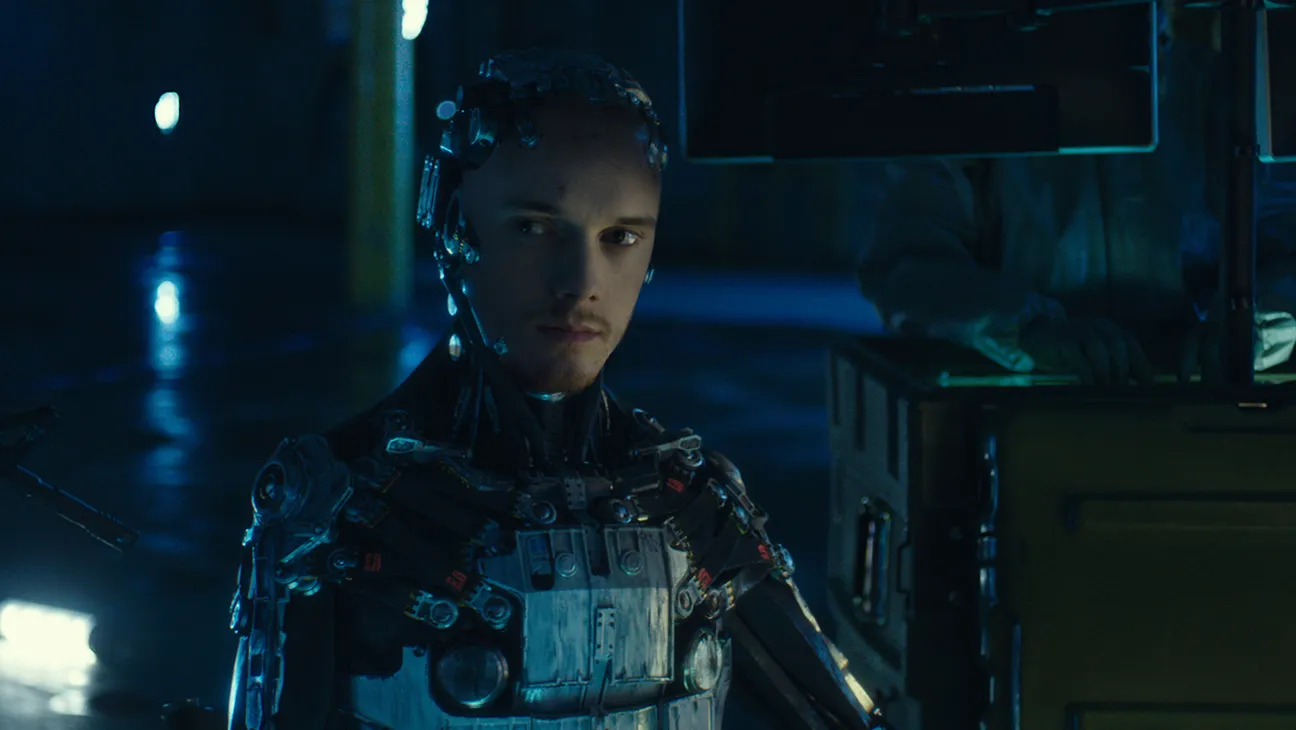
Rise premiered in March 2016. This short film, running about five minutes, was directed by David Karlak, a specialist in special effects who previously worked on the horror films The Collector and The Collection. It is also worth noting that the lead role was played by the tragically deceased actor Anton Yelchin.
The screenplay was written by Marcus Dunstan and Patrick Melton, who had collaborated with the director on the two aforementioned horror films and also helped develop the story foundations for several installments of the Saw series. Although these creators are not known for particular sophistication, the short film they produced will certainly remain a bright spot on the map of their filmography. The plot is built around a motif long exploited in science fiction cinema: the conflict between humans and machines. An experiment with artificial intelligence spirals out of control, leading in 2043 to an open war between the creators and their self-aware—though synthetic—creations.

Visually, the film is impressive, which comes as no surprise given that it was made by a special-effects specialist. However, it is not merely its spectacle that could have persuaded producers. I see one important narrative quality in this short that may have inspired them to expand it into a larger feature. The socially excluded intelligent machines can clearly be read as a metaphor for other minorities that systematically struggle to find their place in reality—especially today’s reality. Thus, the focus here is not so much on a technological threat as on creating a clear analogy to the contemporary problem of exclusion.
Does this mean that science fiction, together with its most crowd-pleasing motif, has become a convenient tool of political correctness? I would not go that far, although such an impression may arise for some viewers. It should be remembered, however, that employing this kind of metaphor in sci-fi is nothing new.
Finally, it is worth adding that turning appealing short films into feature-length productions is a common practice in Hollywood. This is the most important justification for a renewed, more fully realized version of Rise. Suffice it to mention that other famous films—also rooted in the realm of speculative fiction—were based on earlier short works, including Twelve Monkeys, Mama, 9, and of course District 9.


LUCIA’S GRACE. Resembles a Kind Of Missionary Endeavor

DOKUMENT. Short Film That Feels Monumental

BEAUTIFUL BOY. The Acting is Remarkable [REVIEW]

Looking Back at SPIDER: More Terrifying Than Horror
