
Review
LOVE, ANTOSHA. Anton Yelchin Was a Tireless Worker
The tragically deceased Anton Yelchin is an actor one might recognize at best. This is hardly surprising.

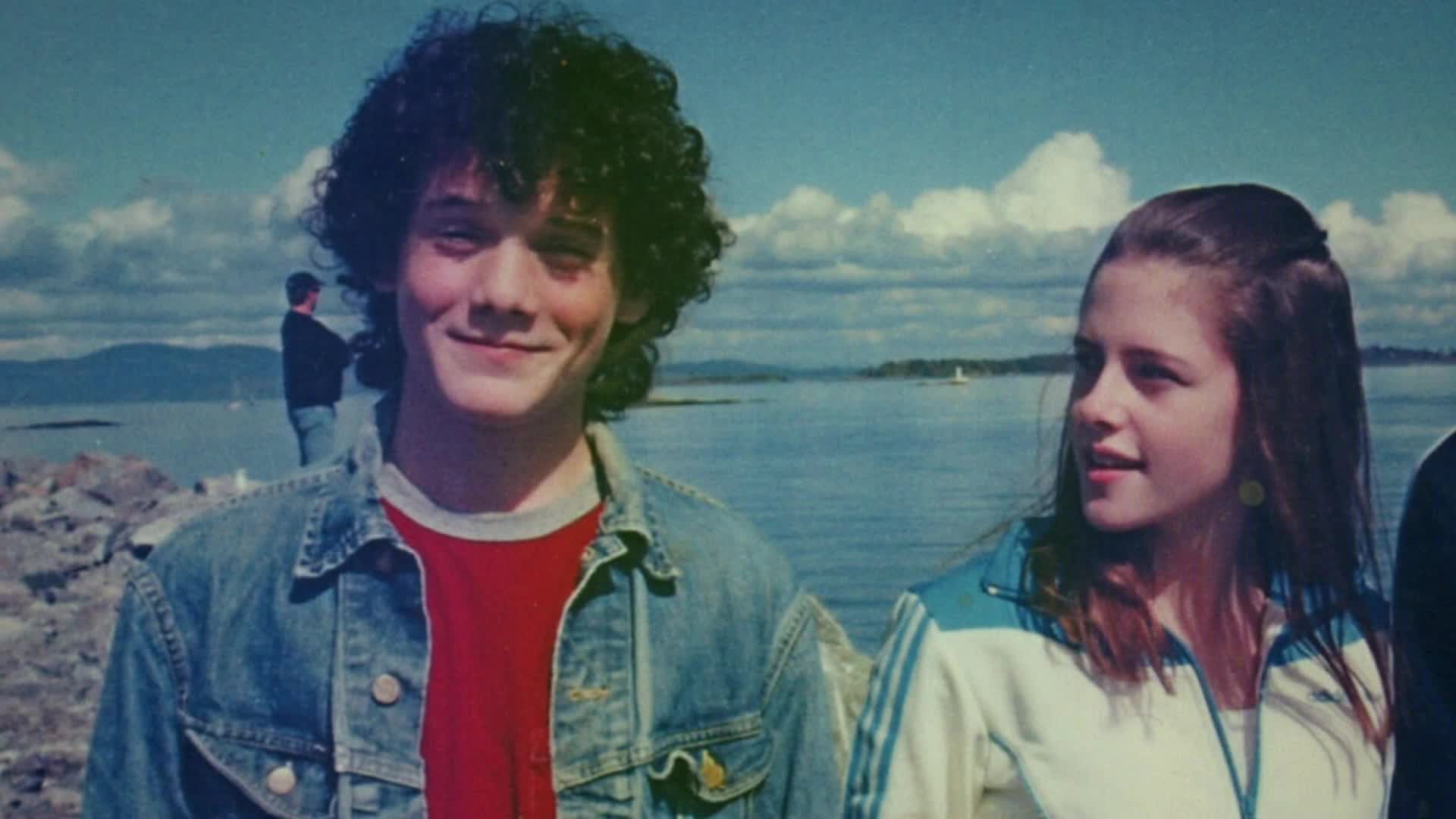
The tragically deceased Anton Yelchin is an actor one might recognize at best. This is hardly surprising—his most popular roles were strictly supporting ones, such as his appearances in J.J. Abrams’s three Star Trek films or Jim Jarmusch’s Only Lovers Left Alive. I assume that most of us who take an interest in cinema had at least heard about the death of the 27-year-old actor. Some were probably mildly shaken by the news (given his exceptionally young age and the unusual circumstances of the accident) and looked up a few facts about Yelchin; others, meanwhile, quickly moved on and filed the event away as just another tragic headline. Few realized what a remarkable and remarkably versatile person left the Earth at that moment.
Anton moved to the United States with his parents—celebrated figure skaters—when he was just six months old. The situation in the Soviet Union was far from promising at the time (especially for families of Jewish origin, who were openly discriminated against), while the West seemed to offer limitless opportunities for growth. As a result, young Yelchin grew up almost entirely in the U.S., where he very quickly caught the filmmaking bug. Already at a very young age, he was directing amateur short films, attending acting classes, and later going to professional castings. It soon became clear that he possessed an extraordinary, innate talent—the gates of a Hollywood career opened before Anton with astonishing speed.
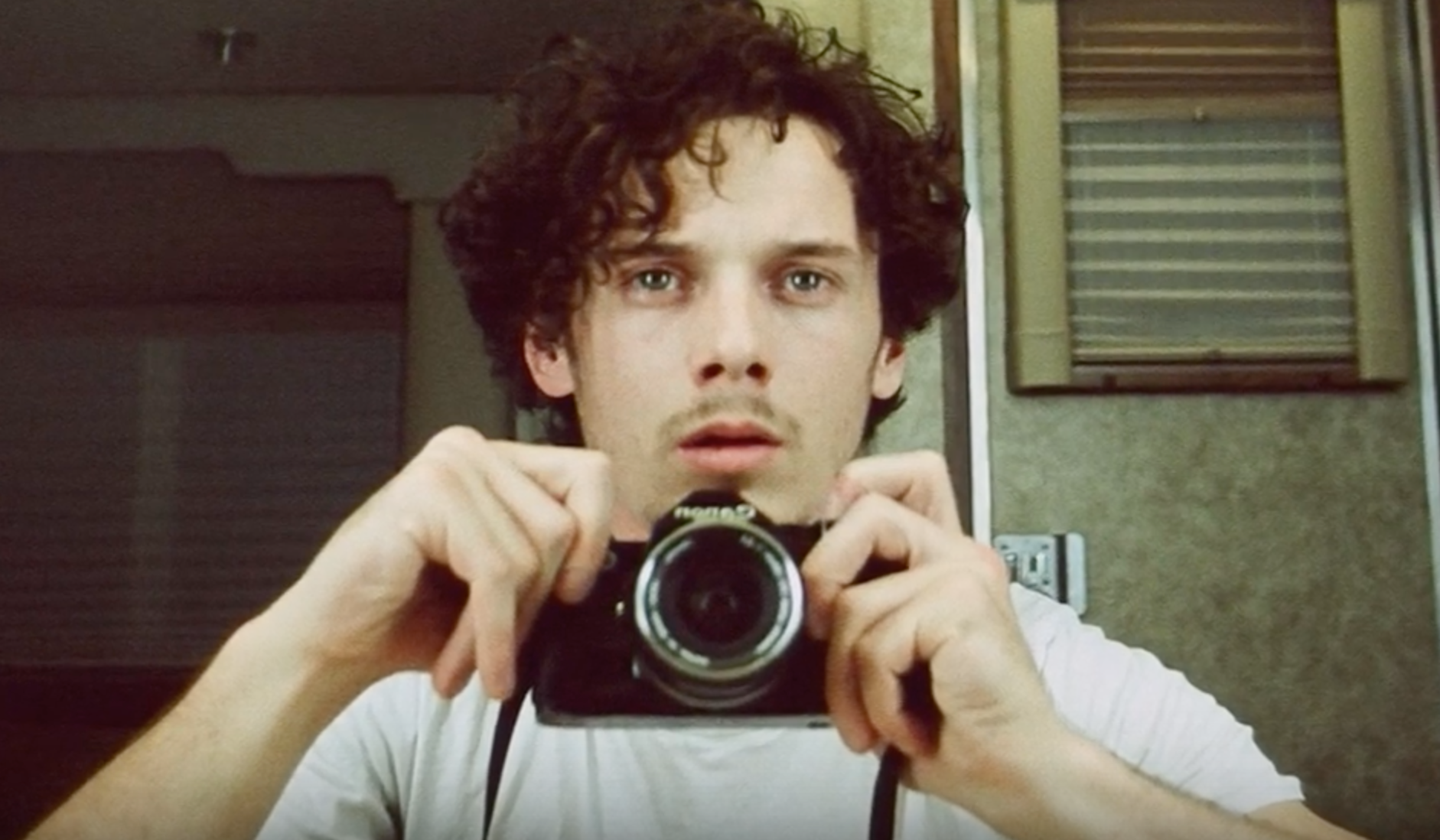
In Garret Price’s documentary, Yelchin emerges above all as a tireless worker: a man who, over little more than a dozen years of professional activity, managed to appear in more than sixty productions of every conceivable kind. His filmography places major blockbusters (Terminator Salvation, the Star Trek series) alongside small, low-budget independent films (Porto, Green Room). One of the documentary’s participants is absolutely right when he sums it up by saying, “He wanted to act in literally everything.” This strategy, however, soon came back to haunt him—many of the films Anton appeared in failed to achieve either artistic or commercial success.
Ultimately, Yelchin was not particularly satisfied with the course of his career. We learn this not only from his family and Hollywood acquaintances (never identified by name—after all, they do not appear in the film as big stars, but as Anton’s private friends), but also from the loving emails he regularly sent to his mother (always signed with the titular phrase, “Love, Antosha”), as well as from the meticulously kept journals of the documentary’s protagonist. Read in voice-over by that Nicolas Cage, these entries allow us to understand the young artist even more deeply.
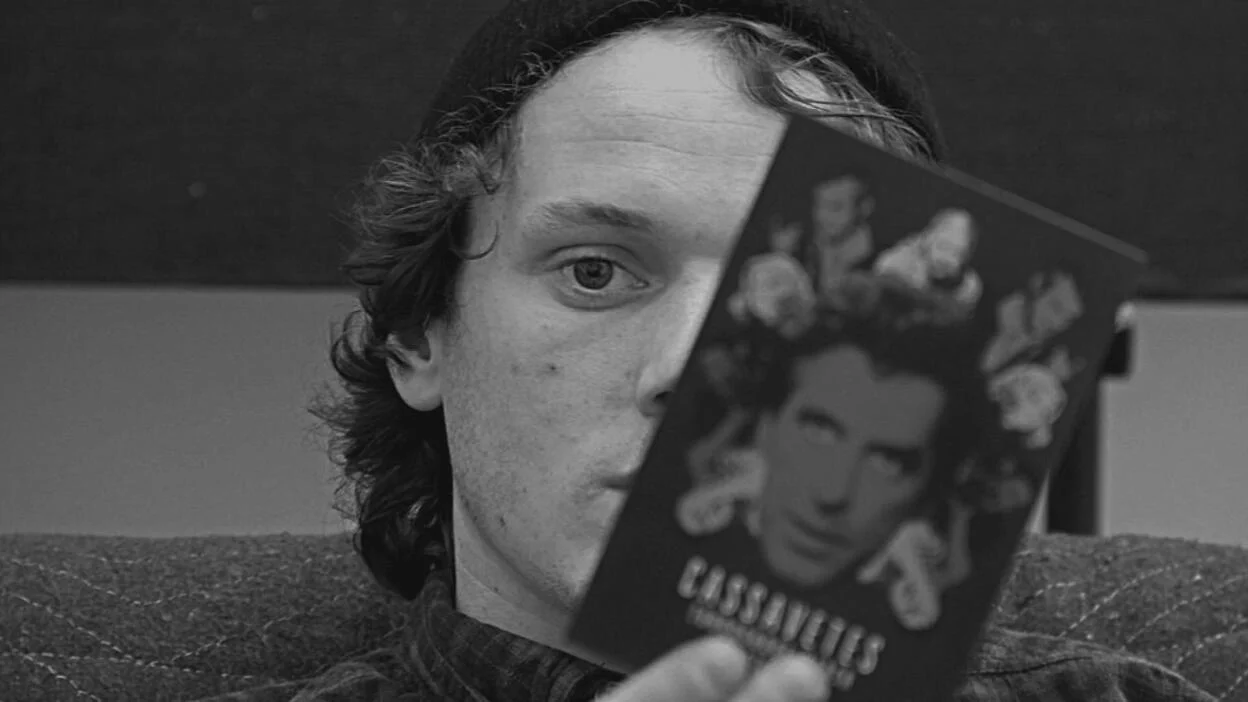
I deliberately use the word “artist” here, because Yelchin never limited himself to acting alone. Despite a burdensome illness—he had suffered since birth from cystic fibrosis, a cruel and incurable disease—he was constantly driven to grow, to learn new things, and to absorb new experiences. Perhaps the most fascinating part of Price’s documentary is precisely its exploration of Anton’s lesser-known interests. We learn, for instance, that young Yelchin was an excellent guitarist and a member of a band charmingly named The Hammerheads. We are also given insight into his photography: Anton loved wandering with his camera into the darkest corners of Los Angeles. He found his dream models in places considered anything but glamorous—seedy brothels or run-down motels.
Anton’s ultimate and greatest passion, however, was always cinema. As a small boy, Yelchin fell in love with the early films of Martin Scorsese, such as Raging Bull, Mean Streets, and Taxi Driver. The last of these made an especially powerful impression on him—it was in homage to the story of a Vietnam veteran descending into psychosis that Yelchin wrote his first screenplay, titled Travis, which he soon intended to bring to the big screen as his directorial debut. He was in the middle of advanced talks with a studio when a senseless accident, tragic in its consequences, cut everything short.

I admit it outright—until now, I knew next to nothing about Yelchin. I thought of him as a fairly talented supporting actor, whom I associated mainly with Star Trek. If not for Garret Price’s documentary, I would probably never have learned what a fascinating and inspiring figure the actor who played the likeable Pavel Chekov truly was. What would have happened if Anton had lived another few, or even a dozen, years? Would he have fulfilled his childhood dream and directed a feature film based on his own script? Would he have succeeded as a filmmaker and one day—let us indulge our imagination—won an Oscar? These questions will forever remain unanswered.


LUCIA’S GRACE. Resembles a Kind Of Missionary Endeavor

DOKUMENT. Short Film That Feels Monumental

BEAUTIFUL BOY. The Acting is Remarkable [REVIEW]

Looking Back at SPIDER: More Terrifying Than Horror
