
Review
CLAIRE DARLING. Suffocating Memories [REVIEW]
At first glance, Claire Darling (Catherine Deneuve) might seem like a typical eccentric elderly lady living alone in a large house.


At first glance, Claire Darling (Catherine Deneuve) might seem like a typical eccentric elderly lady living alone in a large house filled with pointless knickknacks, plagued by loneliness. To complete the stereotype, all that’s missing is a small herd of cats. In fact, however, the woman does not feel particularly lonely. What becomes an unbearable burden for her is the presence of the countless objects that surround her. To Claire, they are associated with the past—and that past is not made up of beautiful, nostalgic memories.
Wherever one looks in the heroine’s house, there are towering piles of old-fashioned furniture, wind-up toys, stuffed animals, and long-unread books. A significant portion of these items is tied to unpleasant events from bygone days. In her life—which, according to Claire herself, is about to end at any moment—she did not surround herself with loved ones, but with objects. These evoke successive flashbacks that summon painful memories: the tragic death of her son and its equally distressing consequences, such as the breakdown of her relationship with her daughter Marie, which ended with the latter running away from home. The trinkets arranged on the shelves were meant to replace lost happiness, but they fail to do so.
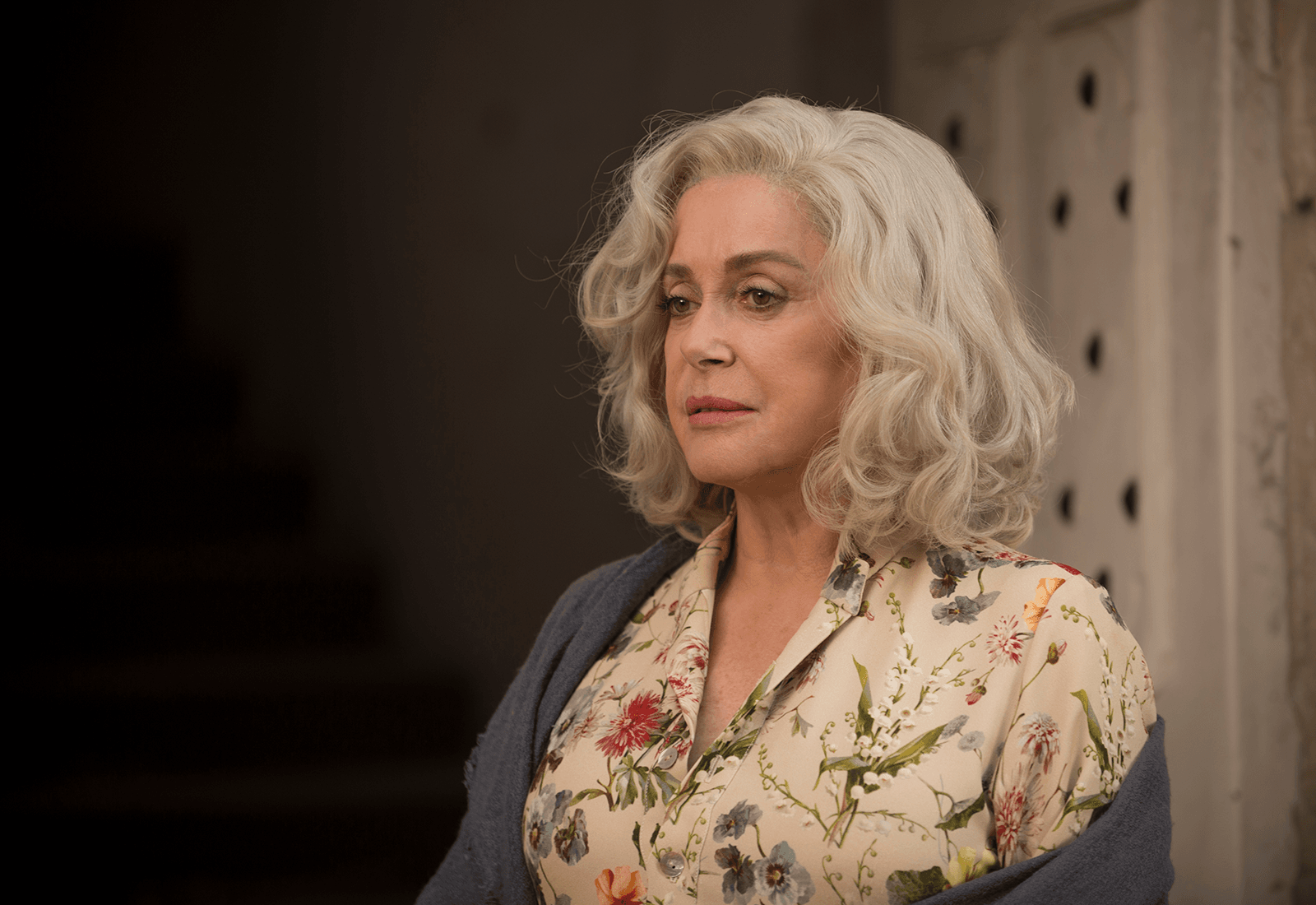
The director of Claire Darling, Julie Bertuccelli, brilliantly shows how the thoughts of the titular woman and those closest to her are constantly and inextricably intertwined with the past. In most scenes, the characters pass by younger versions of themselves, and spaces shift from present to past almost imperceptibly. In one shot, Claire is played by a lost and shaken Catherine Deneuve, only to transform after a cut into the cold and aloof Alice Taglioni. Bertuccelli moves between temporal orders with remarkable ease, making exemplary use of staging, off-screen space, and editing.
Nevertheless, it must be mentioned that the latter at first amazes with its unobtrusiveness, only to soon perplex with its clumsiness. The author of The Tree sometimes resorts to odd, sloppy editing jumps and awkward ellipses that might work in a film with artistic or avant-garde ambitions—ambitions that Claire Darling does not have.

Unfortunately, Bertuccelli began to handle the balancing act between what is and what was so well that she built her film almost entirely out of flashbacks. The accumulation of memories becomes so excessive that at a certain point it starts to irritate (its apogee being the first scene featuring Father Georges, in which flashes of the past appear so frequently and insistently that it borders on parody). The director focuses so intently on depicting the characters’ tragic past events that she completely forgets about the main storyline set in the present. And there, for most of the time, quite simply nothing happens.
Claire, the now-adult Marie (Chiara Mastroianni), and the remaining characters seem to appear on screen solely to provoke some recollection. Bertuccelli wants to show what in the past left its mark on the characters’ psyches and relationships, but she forgets to examine what that mark actually is. The characters are given far too little dialogue and too few contemporary scenes for Claire Darling to reach a higher level of emotional engagement than merely average. There is a clear lack of a point of reference for the omnipresent memories. Only the finale gains dramatic weight, as both the flashbacks and the present-day thread thicken in content—but by then it is already too late to dispel the impression of having watched nearly an hour and a half of superficially treated fragments of life.
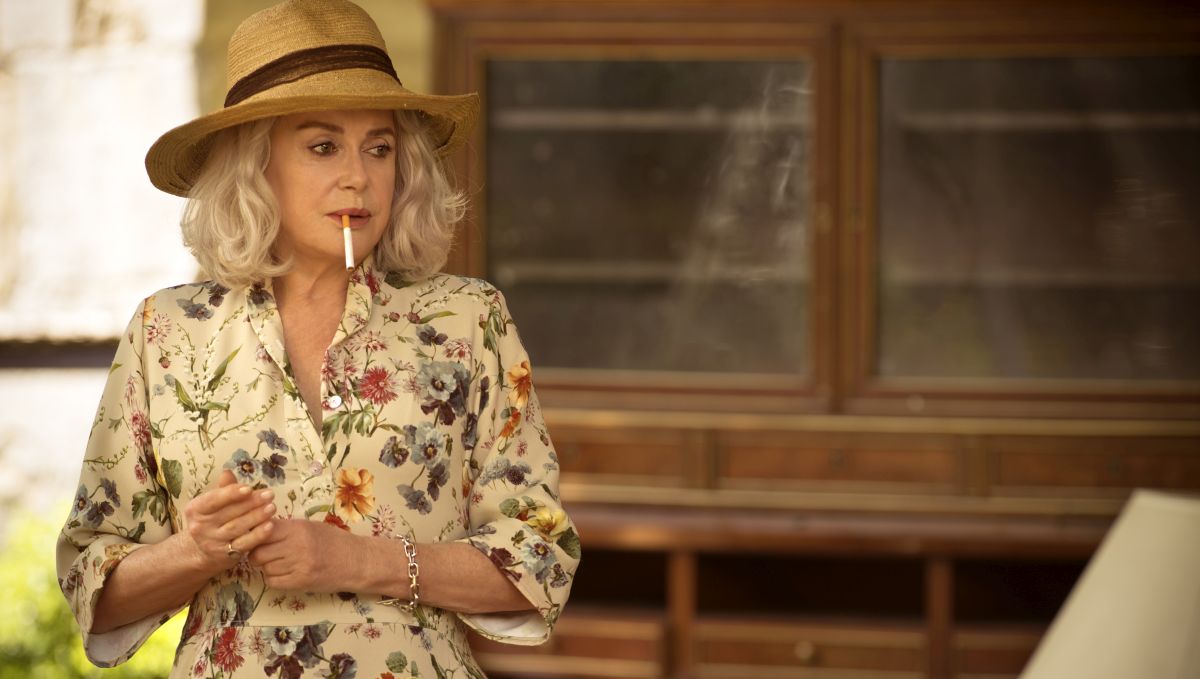
It is impossible to deny Julie Bertuccelli an intriguing idea for the interpenetration of two temporal planes and an excellent execution of it. The scenes in which one notices (or, precisely, does not notice) that we have moved into the past along with the characters make a wonderful impression. But what good is that when the starting point for them is a badly neglected main plot full of characters stuck at a standstill, about whom we learn too little to avoid simple boredom during a screening of Claire Darling?


LUCIA’S GRACE. Resembles a Kind Of Missionary Endeavor

DOKUMENT. Short Film That Feels Monumental

BEAUTIFUL BOY. The Acting is Remarkable [REVIEW]

Looking Back at SPIDER: More Terrifying Than Horror
