
Horror Movies
A FIELD IN ENGLAND Revisited: A Surreal, Hypnotic Vision
A Field in England is a hypnotic parable set in the seventeenth century during one of the battles of the English Civil War.

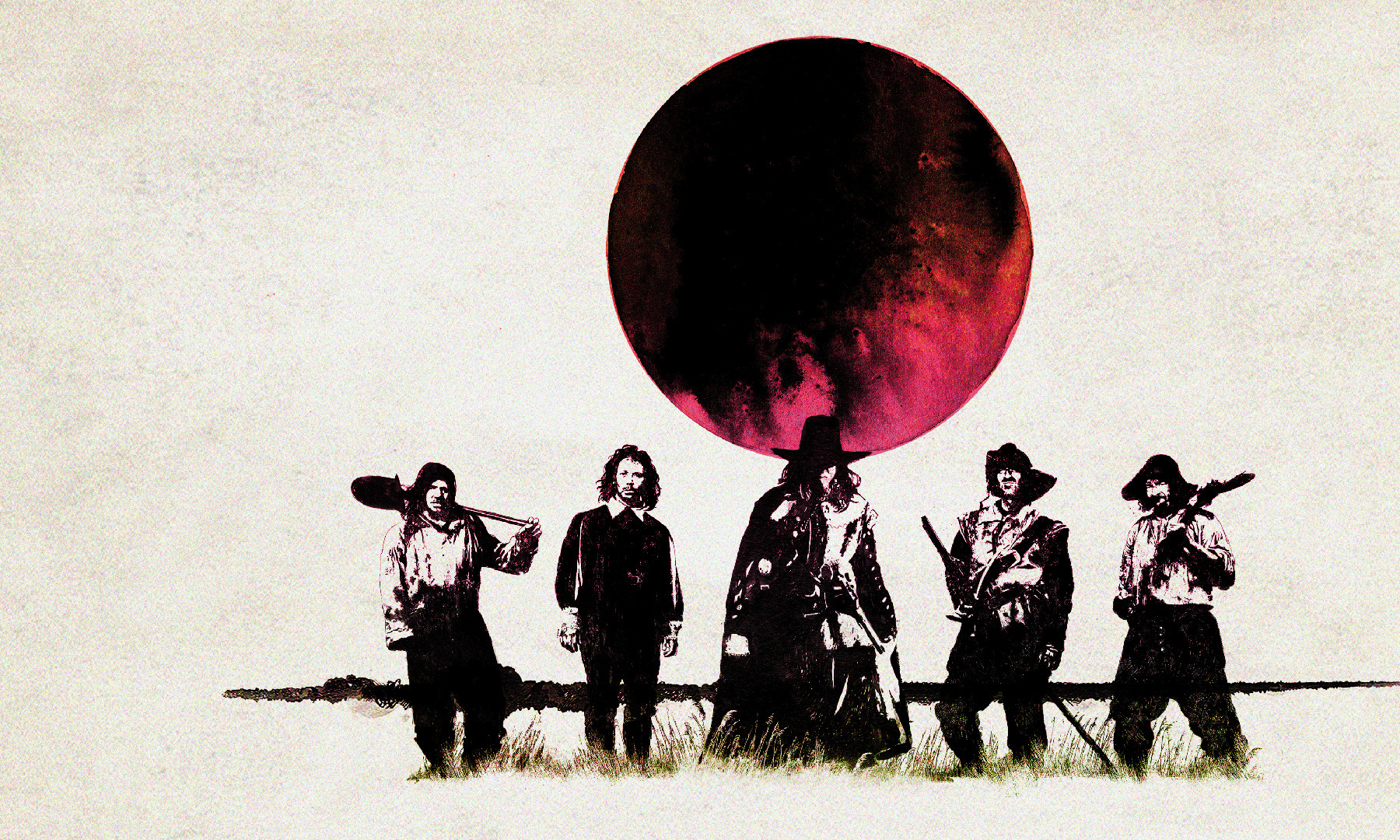
Thanks to the premiere of High-Rise a few years ago, Ben Wheatley’s name had dominated the columns of film-related media outlets. The story of Dr. Robert Laing has sparked considerable controversy, both among critics and cinema enthusiasts. On the one hand, there are ennobling comparisons to such brands as Kubrick or Cronenberg; on the other, accusations of narrative disorder and attempts to stupefy the viewer with a suggestive yet ultimately empty stylistic approach. A Field in England.
Everyone can judge the quality of the adaptation of Ballard’s prose for themselves. It should be borne in mind, however, that High-Rise is not the first Wheatley film to divide audiences into opposing camps. Before it came A Field in England, set in the seventeenth century during one of the battles of the English Civil War. In this hypnotic parable, one looks in vain for grand battle scenes or banners waving above the fallen. Wheatley’s perspective on British history is closer to the hypnotic explorations of Castaneda and Witkacy than to textbook accounts of historical upheavals.
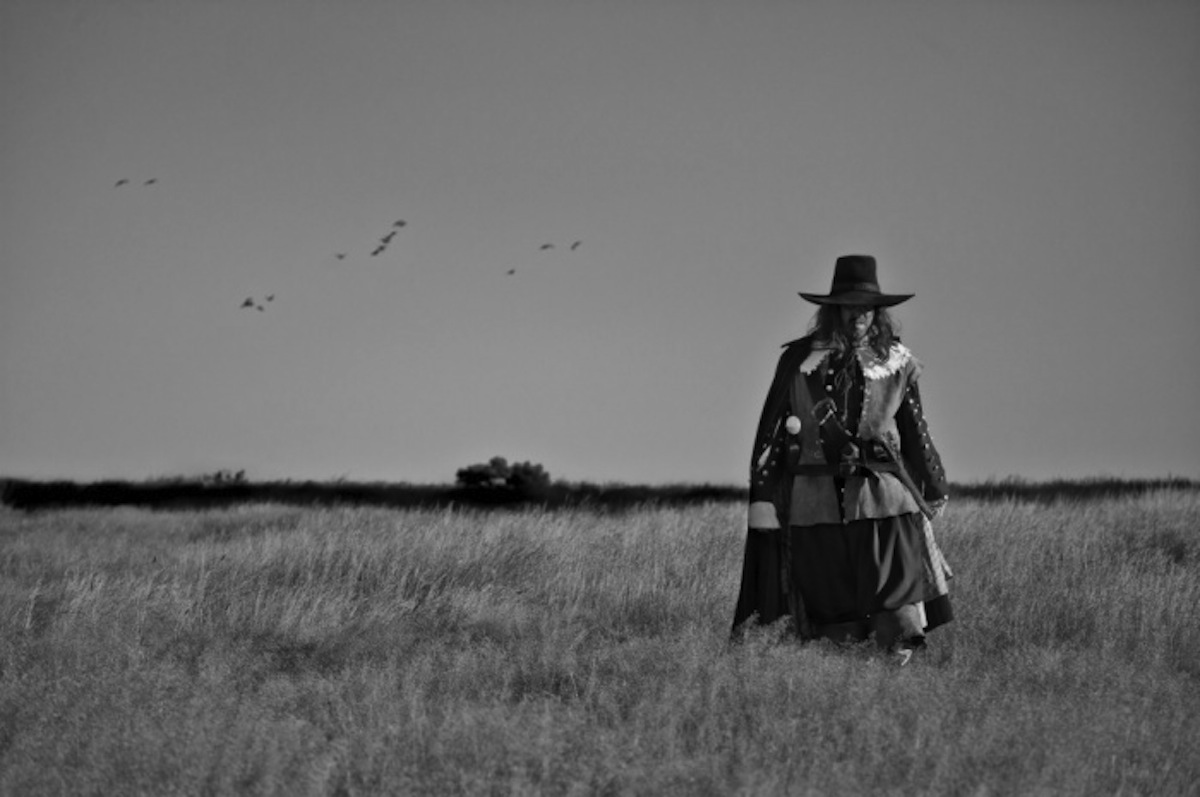
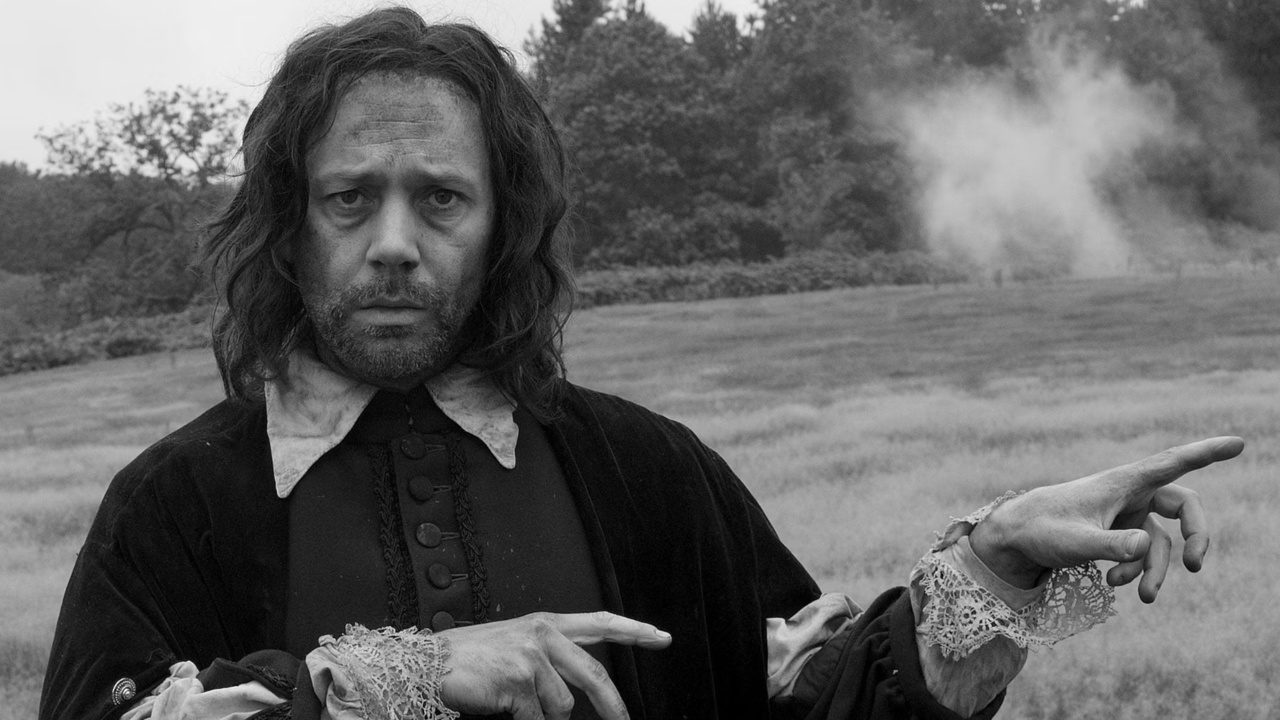
Whitehead is an assistant to an old alchemist. The man sets out on a journey in search of a certain O’Neil, an Irishman who cheated his master and stole valuable objects and books from him. Fate drives Whitehead toward the battlefields. We meet him at the moment when he begs God to help him hide from the cruel Trower, a knight intent on ending his life.
When his prayers are answered, all that remains is to withdraw from the area engulfed by warfare. During the retreat, Whitehead encounters three other men. Soon O’Neil himself also joins the group, quickly seizing control of the company and beginning a strange game with its members. In the face of an encounter with the devil himself, the English Revolution begins to lose its significance.
A Field in England has often been compared to Jodorowsky’s surrealistic El Topo; however, the accuracy of such comparisons boils down solely to the observation that both the Englishman and the Chilean created a strange film set in a world characteristic of the classic western. In reality, these are entirely separate productions, built on different artistic sensibilities and in completely incompatible styles. In Jodorowsky’s case, the image outright attacked the viewer, as El Topo was deeply rooted in Artaud’s philosophy of the theatre of cruelty.
Wheatley, by contrast, abandons superfluous visual stimuli, focusing the viewer’s attention primarily on the relationship that develops among the four protagonists. Problems with clearly defining their identities and the fact that with each passing minute the viewer understands less and less, while each figure appears increasingly unreal, create the impression of participating in a narcotic vision of Whitehead himself.
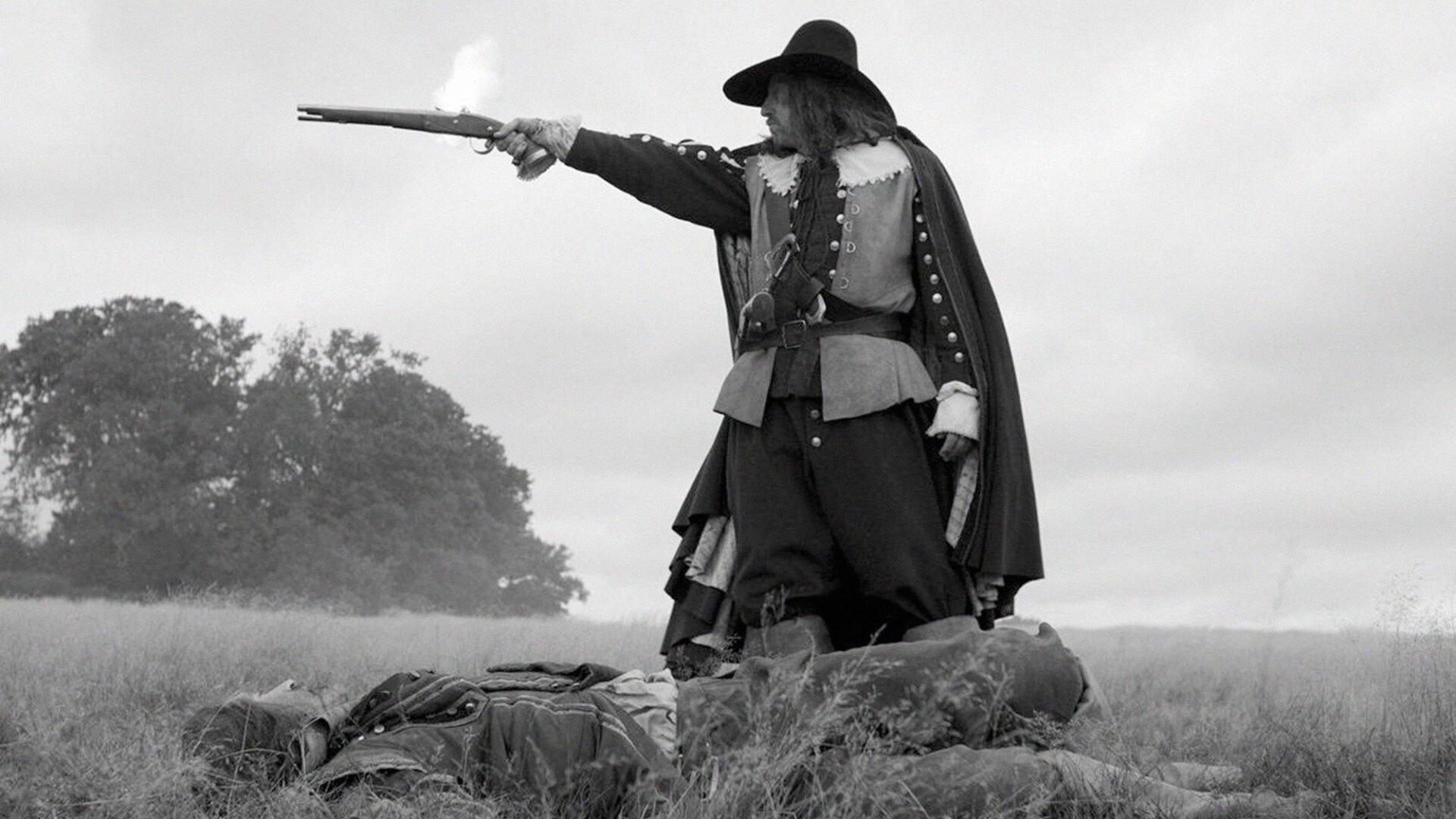
For this reason, A Field in England is closer to films such as Tarkovsky’s Solaris or Klimov’s Come and See. And this comparison is not about the subject matter or the metaphysics behind the individual works, but about that extraordinary sensation of the loss of senses and the disintegration of identity, which the protagonist projects from his inner world onto the surrounding reality.
The titular English field thus becomes a place where the struggle is waged not so much between parliamentarians and royalists as between the demons born of Whitehead’s tormented mind.
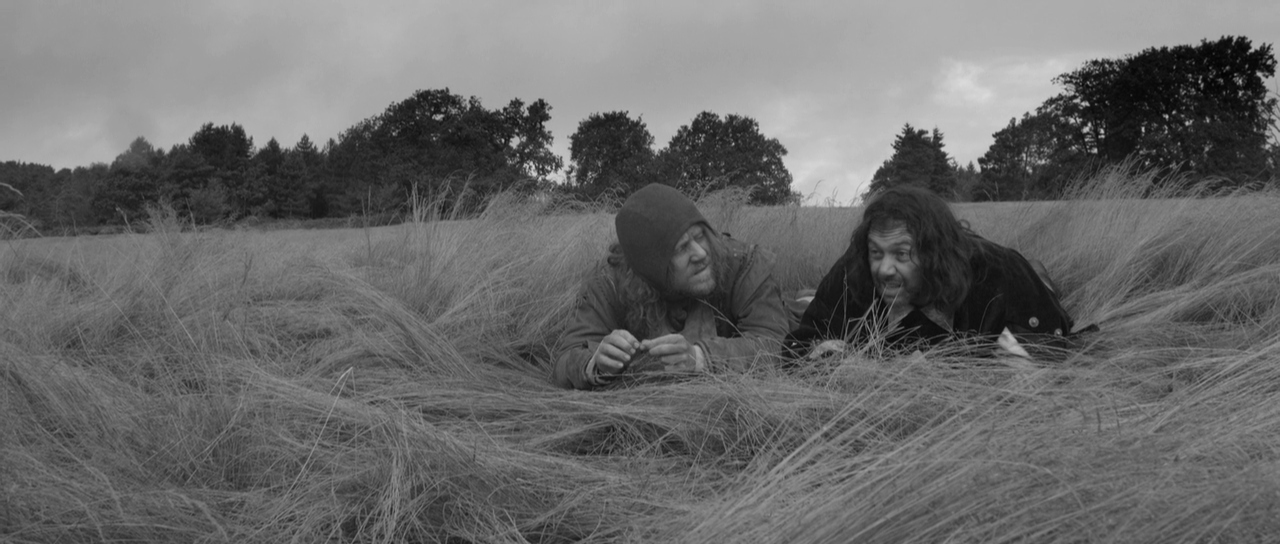
The mystical character of Wheatley’s film is intensified by Jim Williams’s excellent soundtrack, which almost perfectly conveys the psychological disorientation of the main character, while remaining completely faithful to the western convention adopted by the director.
When Laurie Rose’s minimalist yet deeply unsettling cinematography, which also accompanied Wheatley on High-Rise, is complemented by tracks such as Walking Here and Two Shadows Went, the viewer begins to understand that the English field, stirred by a gentle wind, could easily find its place among Dantean descriptions of purgatory and hell.
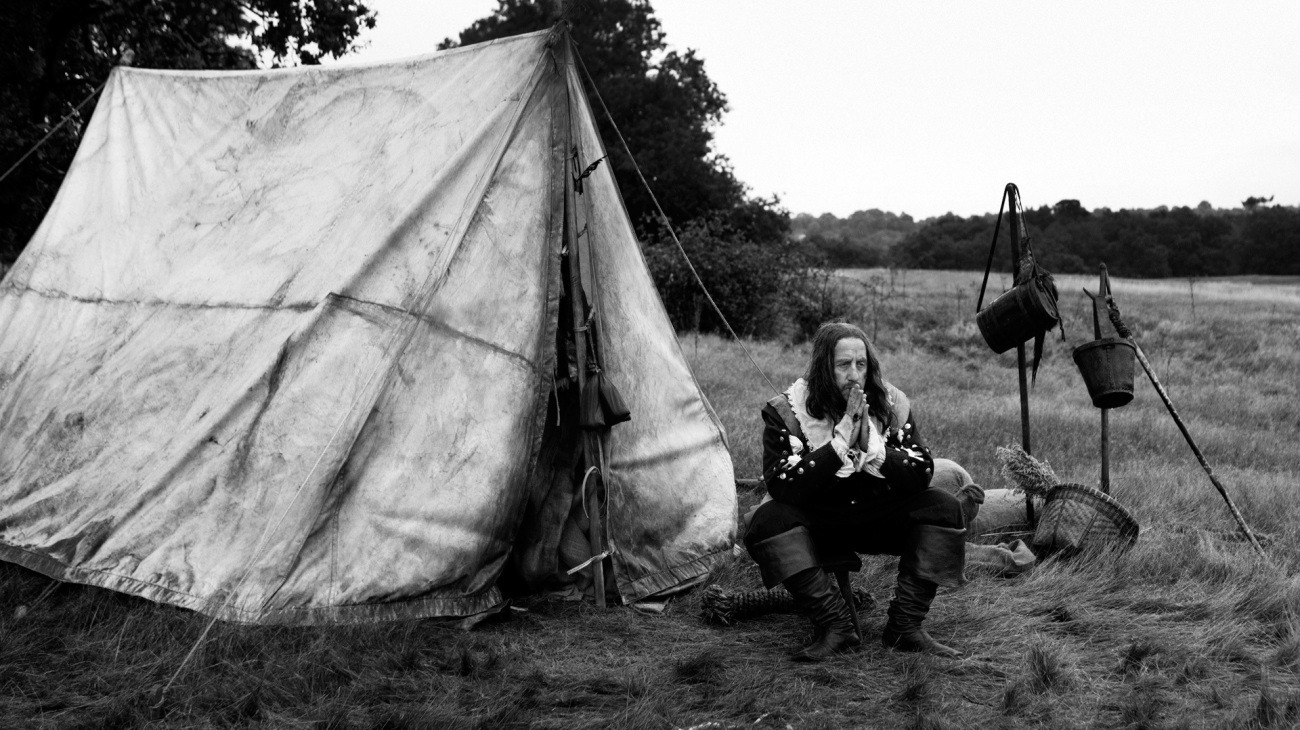
Among accounts of narcotic visions, fear of looking into a mirror appears very frequently. God alone knows what one might see there at the moment when all the mind’s safety valves have been shattered by chemical stimulation.
A Field in England is a record of the consequences of such a gaze. Each of us must decide individually whether we want to take part in such a journey, after all, it is not worth encouraging the use of drugs.


LUCIA’S GRACE. Resembles a Kind Of Missionary Endeavor

DOKUMENT. Short Film That Feels Monumental

BEAUTIFUL BOY. The Acting is Remarkable [REVIEW]

Looking Back at SPIDER: More Terrifying Than Horror
